
When a baby is born, one of the first things parents notice is their smile. But in some cases, a baby may be born with a small gap or opening in the upper lip. This condition is known as a cleft lip.
A cleft lip can look concerning at first, but the good news is that it is treatable with modern medical care. With the right treatment and support, children with a cleft lip can grow up to live healthy, happy, and confident lives.
A cleft lip is a birth condition where the upper lip does not form completely during pregnancy, leaving a gap or split.
This gap can:
In simple terms, a cleft lip happens when facial tissues do not join properly during early pregnancy.
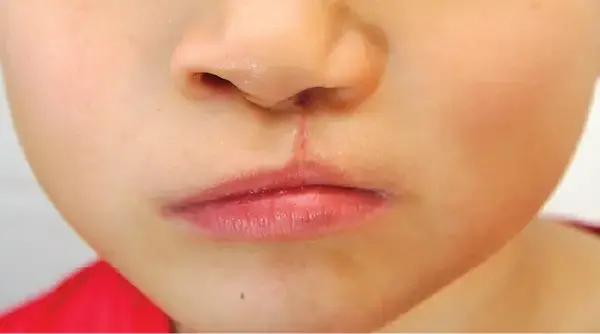
Cleft lips can vary in appearance and severity. Understanding the different cleft lip types helps in planning the right treatment.
Each type requires a slightly different approach, but all can be treated effectively with proper care.
The exact cleft lip causes are not always known, but it usually happens due to a combination of factors.
If there is a family history of cleft lip, the chances may be higher.
Certain conditions during pregnancy may increase the risk, such as:
Lack of important nutrients like folic acid may play a role.
Some underlying health conditions may also contribute.
In many cases, it is not possible to pinpoint a single cause. What’s important is that it is not caused by anything parents did intentionally.
A cleft lip is usually visible at birth, making it easier to identify early.
In some cases, babies may also have:
Early diagnosis allows doctors to begin cleft lip management right away.
Treatment for cleft lip is a step-by-step process, not just a single procedure.
Right after birth, doctors guide parents on:
This helps ensure the baby gets proper nutrition.
The most important step in cleft lip treatment is surgery.
Cleft lip repair is done to:
Treatment may also include:
This ensures the child’s overall development is on track.
The ideal cleft lip surgery age is usually between 3 and 6 months after birth. At this stage, the baby is strong enough for surgery, and early repair helps with better healing and development.
Cleft lip surgery is done under general anaesthesia.
During the procedure:
The goal is to improve both appearance and function.
After surgery:
Most babies recover well within a few weeks.
In some cases:
However, the initial cleft lip repair provides a strong foundation.
Choosing the right hospital is an important decision for your child’s care. At CK Birla Hospitals, Jaipur, treatment is designed with both medical excellence and emotional support in mind.
1. Experienced specialists: A team of skilled surgeons and paediatric experts ensures safe and effective treatment.
2. Personalised care for every child: Each child’s condition is unique, and treatment plans are tailored accordingly.
3. Advanced surgical techniques: Modern techniques are used to ensure the following:
Better healing
Minimal scarring
Natural-looking results
4. Complete cleft lip management: From diagnosis to recovery, all services are available under one roof, including:
Surgery
Feeding support
Follow-up care
5. Family-centred approach: Parents are guided at every step, ensuring comfort, clarity, and confidence throughout the journey.
Cleft lip surgery is usually performed between 3 and 6 months of age for the best results and safe recovery.
Yes, cleft lip is highly treatable with surgery and proper medical care, allowing children to lead normal lives.
The surgery typically takes about 1 to 2 hours, depending on the severity of the cleft.
Yes, it is generally safe when performed by experienced surgeons with proper medical care.
Yes, cleft lip develops during early pregnancy when the baby’s facial structures do not form completely.
Yes, it can often be detected during pregnancy through ultrasound scans.
A small scar may remain, but it usually fades over time and becomes less noticeable.
© 2024 RBH Jaipur. All Rights Reserved.


