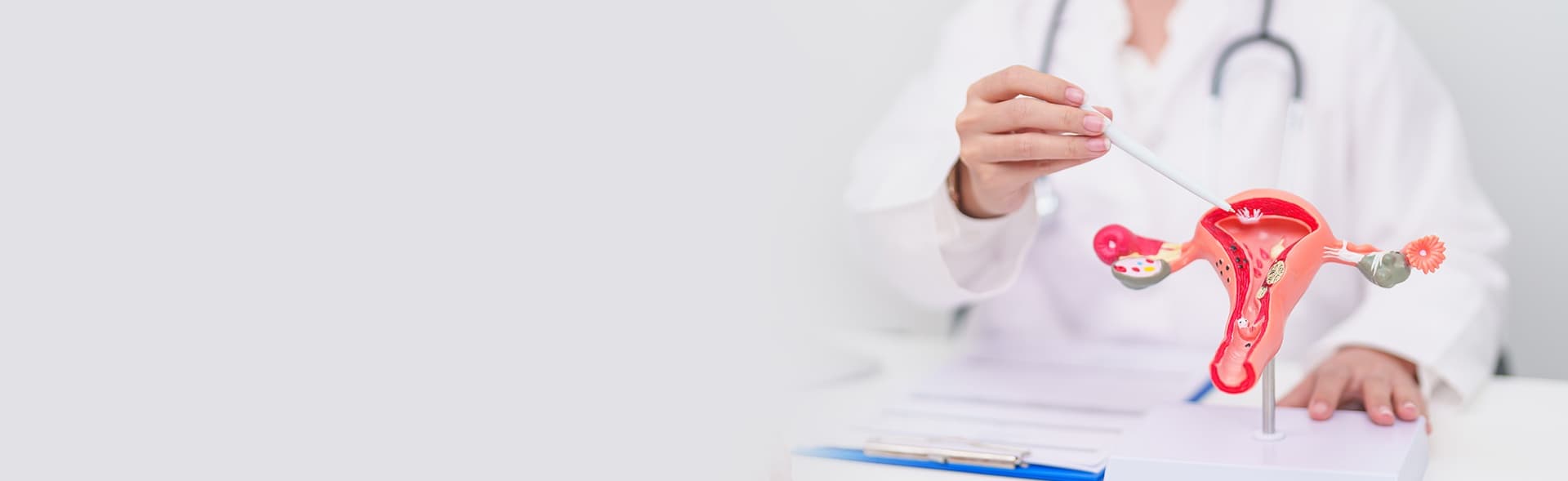
Hysterectomy is a surgical procedure to remove the uterus (womb). It may be recommended for conditions such as uterine fibroids, heavy menstrual bleeding, endometriosis, uterine prolapse and certain cancers. Depending on your condition, the surgery may involve removing the uterus alone or other reproductive organs.
At the CK Birla Hospitals, Kolkata, you can consult our specialists to understand the procedure, discuss suitable surgical options and plan your treatment based on your health needs.
Hysterectomy is a surgery in which your uterus is removed. The uterus is the organ where a baby grows during pregnancy. After a hysterectomy, you will no longer have menstrual periods or be able to become pregnant.
Your surgeon may recommend this procedure when other treatments have not provided relief or when surgery is necessary to treat a serious condition, such as cancer.
A hysterectomy may involve removing:
The organs removed depend on your diagnosis and treatment plan. Your surgeon will explain the options before the hysterectomy operation.

Your doctor may recommend hysterectomy treatment for certain conditions affecting your uterus and reproductive health.
These include:
Your doctor may suggest other treatment options before recommending surgery, depending on your condition.
The type of hysterectomy depends on which reproductive organs need to be removed.
A complete hysterectomy usually refers to the removal of the uterus and cervix. It does not automatically mean that your ovaries will also be removed.
A hysterectomy can be performed through the abdomen or vagina. Your surgeon will recommend an approach based on the size of your uterus, medical condition and previous surgeries.
The main surgical approaches include:
The surgery is usually performed under general anaesthesia. Your surgeon will explain the most suitable approach and what to expect before the procedure.
A hysterectomy can help relieve symptoms caused by certain uterine conditions. Its potential benefits include:
However, hysterectomy is a major surgery and has some risks. These may include:
Your surgeon will discuss the benefits, risks and other available treatments before recommending surgery.
Recovery after hysterectomy depends on the surgical approach and your overall health. You may experience pain, tiredness and light vaginal bleeding during the initial recovery period.
Most women recover within four to six weeks. Recovery may be shorter after vaginal or laparoscopic hysterectomy than after abdominal surgery.
You may return to work within two to six weeks, depending on the type of surgery and your healing progress. Follow your surgeon's instructions before resuming your usual activities.
At CK Birla Hospitals, Kolkata, we understand that undergoing a hysterectomy is an important decision. You may have concerns about the surgery, recovery and changes to your reproductive health. We help you understand your condition and discuss suitable treatment options.
Our team supports you throughout your treatment journey and helps you understand each stage of care.
No. After a hysterectomy, you cannot become pregnant because your uterus has been removed. If you wish to have children in the future, discuss other treatment options with your doctor before considering surgery.
Your ovaries do not always need to be removed during a hysterectomy. They may be left in place if there is no medical reason to remove them. Your surgeon will discuss this decision based on your condition.
Not necessarily. If your ovaries remain, they continue to produce hormones, and you do not enter immediate menopause. However, removing both ovaries before natural menopause causes surgical menopause.
You will not feel pain during surgery because anaesthesia is used. You may experience soreness and discomfort after the procedure. Your doctor will prescribe medicines to help manage the pain.
Yes. Treatment options for fibroids include medicines, uterine artery embolisation and myomectomy (surgery to remove fibroids while keeping the uterus). The suitable option depends on the size, number and location of fibroids, your symptoms and future pregnancy plans.
Laparoscopic or robotic-assisted hysterectomy may be recommended when a minimally invasive approach is suitable. Your surgeon considers factors such as the size of your uterus, the condition being treated and your previous surgeries before selecting the surgical method.
© 2024 CMRI Kolkata. All Rights Reserved.


