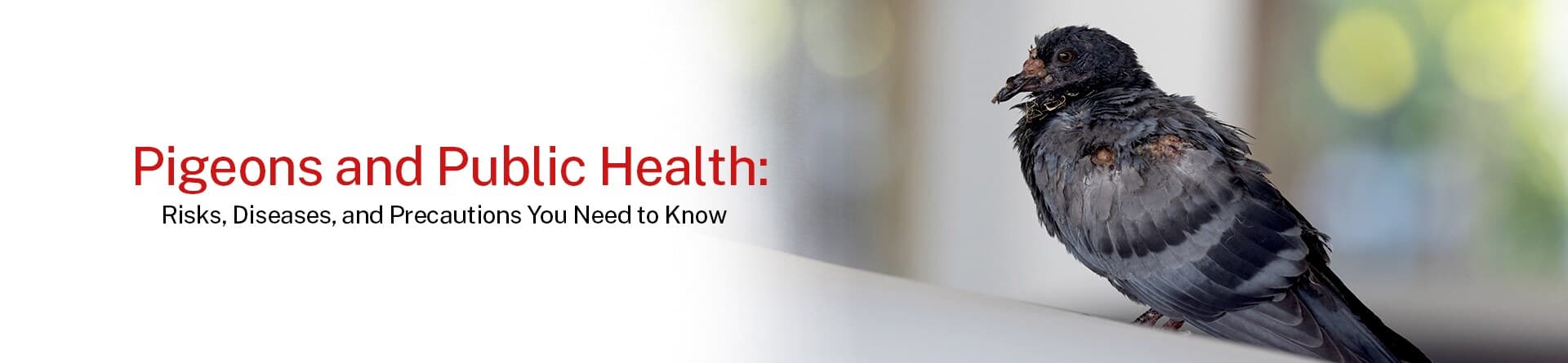
Pigeon droppings, feathers, and nesting materials can carry fungi, bacteria, and allergens that may increase the risk of respiratory infections, allergies, and lung diseases. Learn about the health risks associated with pigeons, symptoms to watch for, and practical ways to protect yourself and your family.
Did you know that the pigeons you feed every day could be affecting your health? It sounds unbelievable, right?
After all, pigeons are everywhere. We feed them in parks, watch them gather on balconies, and rarely think twice about them. But doctors are now warning that the real problem may not be the birds themselves. It's what they leave behind.
According to a study, pigeon droppings were found to be a common factor in nearly 47% of lung diseases linked to inflammation and scarring. Experts have also linked long-term exposure to pigeon droppings and feathers with allergies, breathing problems, and certain infections.
So, should you be worried if pigeons regularly visit your home or balcony? Let's look at what the science actually says.
Pigeons are a common part of city life, but health experts are becoming increasingly concerned about the impact of large pigeon populations on public health. Here's why:
While simply walking past a pigeon is unlikely to cause harm, repeated exposure to areas where pigeons roost and leave droppings can become a health concern over time.
It's important to understand that most people who come across pigeons do not become sick. However, repeated exposure to pigeon droppings, feathers, and nesting materials may increase the risk of certain infections, especially in areas where pigeons gather in large numbers. Some of the most commonly reported diseases caused by pigeons include:

Histoplasmosis is a fungal infection that can develop when people inhale fungal spores found in soil or areas contaminated with bird droppings.
Common symptoms include:
While many people experience mild symptoms, severe cases can occur in individuals with weakened immune systems.
Cryptococcosis is another fungal infection associated with pigeon droppings. The fungus can become airborne and enter the body through the lungs.
Common symptoms include:
People with weakened immunity are at a higher risk of developing serious complications.
Psittacosis is a bacterial infection that can spread from infected birds to humans. Although it is more commonly linked to parrots and pet birds, pigeons can also carry the bacteria.
Common symptoms include:
Because its symptoms often resemble the flu, the condition may sometimes go unnoticed in the early stages.
Pigeons can carry bacteria such as Salmonella, which may contaminate surfaces, food, or water sources through their droppings.
Common symptoms include:
Good hygiene and proper handwashing can significantly reduce the risk of infection.
Although not an infection, this is one of the most important health conditions linked to prolonged pigeon exposure. It occurs when the immune system reacts to proteins found in bird feathers and droppings.
Common symptoms include:
If exposure continues for years, it can lead to permanent lung damage in some individuals.
One of the biggest pigeon-faeces health risks is its impact on respiratory health. The problem usually begins when pigeon droppings dry out. As they break down, tiny dust particles can become airborne. People living or working nearby may unknowingly breathe in these particles.
Over time, repeated exposure may irritate the airways and lungs, especially in areas where pigeons regularly gather.
People exposed to pigeon droppings and feathers may experience:
For people with asthma or other lung conditions, these symptoms may become worse over time.
Not everyone reacts to pigeons in the same way. Some people develop allergic reactions after repeated exposure to pigeon feathers, droppings, or dust.
Common pigeon allergy symptoms include:
These symptoms may be mistaken for seasonal allergies, making the cause difficult to identify.
One of the most important respiratory conditions linked to pigeons is hypersensitivity pneumonitis, also known as Bird Fancier's Lung.
This condition develops when the immune system repeatedly reacts to proteins found in bird feathers and droppings. The ongoing inflammation can damage lung tissue over time.
Symptoms may include:
If identified early and exposure is reduced, the condition can often improve. However, long-term exposure may lead to permanent lung scarring in some individuals.
Most healthy individuals experience little or no harm from occasional pigeon exposure. However, certain groups are more vulnerable.

The good news is that most pigeon-related health risks can be reduced with a few simple precautions. The goal is to limit exposure to pigeon droppings, feathers, and nesting materials, especially in areas where pigeons gather regularly.
Never sweep or brush dry pigeon droppings. This can release contaminated dust into the air.
Instead:
If there is a large accumulation of pigeon droppings, it may be safer to hire trained professionals who have the proper protective equipment and cleaning methods.
Extra precautions are important for:
Reducing long-term exposure is one of the most effective ways to lower the risk of pigeon-related health problems.
Most people who come into contact with pigeons or their droppings do not develop serious health problems. However, you should not ignore symptoms that appear after repeated or prolonged exposure.
Consult a doctor if you experience:
You should also seek medical advice if pigeon allergy symptoms such as sneezing, watery eyes, coughing, or breathing difficulties continue for several weeks.
People with weakened immunity, chronic lung disease, or a history of severe allergies should be especially cautious, as they may be more vulnerable to complications.
Early diagnosis is important. Conditions such as hypersensitivity pneumonitis and certain fungal infections can often be managed more effectively when identified and treated at an early stage.
Pigeons are a familiar part of urban life, but large accumulations of droppings and nesting materials can create health concerns in certain situations. While severe illness is relatively uncommon, awareness of the potential diseases caused by pigeons, respiratory risks, and allergic reactions can help people take appropriate precautions.
Understanding the pigeon droppings' health hazard, using safe cleaning practices, and limiting prolonged exposure can significantly reduce the risk of infection and respiratory problems. For individuals with weakened immunity, lung disease, or allergies, extra care may be necessary when dealing with pigeon-contaminated environments.
Pigeon droppings have been associated with infections such as cryptococcosis, histoplasmosis, and psittacosis, particularly when contaminated dust is inhaled.
Pigeon feathers can carry allergens and proteins that may trigger allergies or respiratory conditions in sensitive individuals.
People with weakened immune systems, older adults, young children, individuals with lung disease, and workers exposed to large amounts of droppings are generally at higher risk.
Yes. Exposure to pigeon feathers, droppings, and airborne particles can trigger allergies and worsen asthma symptoms in some individuals.
Using humane deterrents such as bird spikes, netting, and avoiding feeding pigeons can help discourage nesting and roosting.
Pigeons themselves are not usually dangerous, but large accumulations of droppings and nesting materials can pose hygiene and health concerns if not managed properly.
Written and Verified by:

Prof. Dr. Sukumar Mukherjee is a Senior Consultant in Internal Medicine Dept. at CMRI, Kolkata. He specializes in internal medicine, rheumatology, and clinical management of complex systemic disorders.
Similar Internal Medicine Blogs
Book Your Appointment TODAY
© 2024 CMRI Kolkata. All Rights Reserved.


