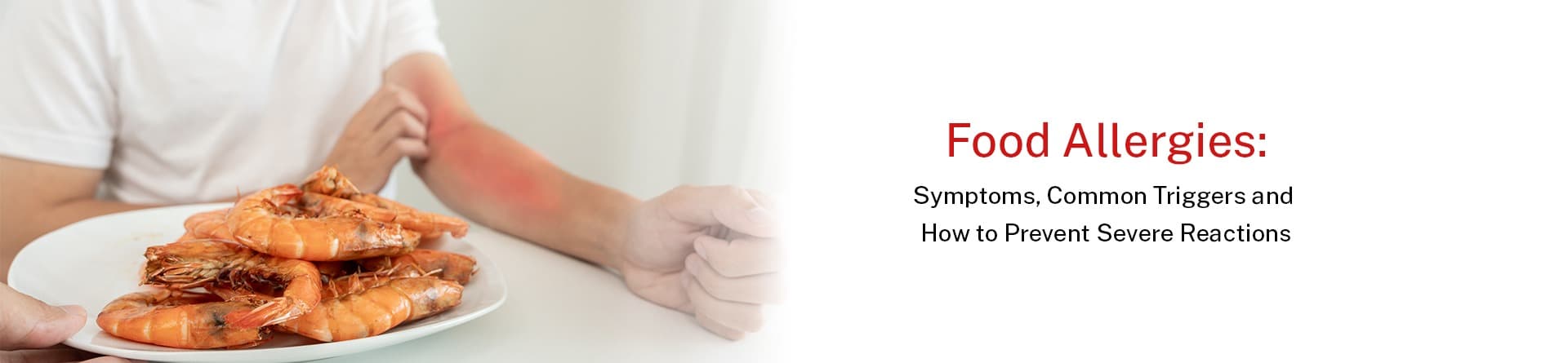
Food allergies can range from mild discomfort to life-threatening reactions if not identified early. Understanding common triggers and warning signs is key to preventing severe complications and ensuring timely care.
Have you ever eaten something and suddenly felt itchy, uncomfortable, or even short of breath? If yes, your body might have been trying to tell you something important. Food allergies are more common than you might think, and understanding them can actually protect your health—or even save a life.
In this blog, let’s break things down in a simple and practical way so you can understand what’s happening inside your body and what you can do about it.
A food allergy happens when your immune system mistakenly treats a harmless food as a threat. Normally, your immune system fights off bacteria and viruses. But in this case, it reacts to certain proteins in food.
When you eat that food, your body releases chemicals like histamine. This is what causes all those uncomfortable symptoms—like itching, swelling, or breathing problems.
The tricky part? Even a tiny amount of the food can trigger a reaction. So if you have a food allergy, it’s not just about avoiding large portions—you need to be careful with even small traces.
Food allergy symptoms can show up within minutes or take up to a couple of hours after eating. They can affect different parts of your body.
Here’s what you should watch out for:
If you’ve ever had a food skin allergy, you know how uncomfortable and irritating it can feel.
These symptoms are often confused with food poisoning or intolerance, but they can actually be food allergy symptoms.
A food-allergy skin rash combined with breathing issues should never be ignored—it could be serious.
Not all foods cause allergies, but some are known to trigger most reactions. If you’re trying to identify a problem, here’s a helpful list of food allergies that are most common:
You might be surprised, but even healthy foods like nuts or milk can be dangerous for someone with allergies.
Also, reactions vary from person to person. You may react strongly to peanuts, while someone else might be allergic to eggs.
Now let’s talk about something very important—severe allergic reactions, also called anaphylaxis. This is a life-threatening condition that can happen suddenly and worsen quickly.
If you or someone around you shows these signs after eating, it’s a medical emergency. Immediate treatment is critical. This is why food allergies should never be taken lightly—even if previous reactions were mild.
If you suspect you have a food allergy, don’t try to guess or self-diagnose. It’s always better to consult a doctor.
Here’s how diagnosis usually works:
Your doctor will ask about:
A small amount of allergen is placed on your skin to see if a reaction occurs. This is helpful in identifying a food-skin allergy.
This checks for antibodies your body produces in response to certain foods.
You may be asked to avoid certain foods and slowly reintroduce them to see what causes symptoms. Diagnosis may take time, but it’s worth it. Knowing your triggers helps you stay safe.
Prevention is the most important part of managing food allergies. Once you know your trigger foods, your goal is simple—avoid them. Here are some practical tips you can follow in your daily life:
Always check ingredient lists, even on products you’ve used before. Ingredients can change without notice.
Restaurants may use shared equipment or hidden ingredients. Don’t hesitate to ask questions about how your food is prepared.
Even small traces of allergens can trigger a reaction. For example, using the same knife for peanut butter and regular bread can be risky.
If you have a known allergy, your doctor may prescribe an epinephrine injection (like an EpiPen). Always keep it with you.
Tell your family, friends, and coworkers about your allergy. In case of emergency, they should know what to do.
If your child has food allergies, educate them in simple terms. Teach them what foods to avoid and when to ask for help.
There is currently no complete cure for food allergies, but treatment focuses on managing symptoms and preventing reactions.
Doctors may also guide you on long-term management plans depending on your condition.
Food allergies can feel overwhelming at first, especially when you’re trying to figure out what’s safe to eat. But once you understand your body and your triggers, things become much more manageable.
The key is awareness.
Pay attention to your body. Don’t ignore symptoms like a food allergy rash or repeated digestive issues. And most importantly, take action early—because prevention is always better than emergency treatment.
If you suspect you have food allergies, don’t wait. Get tested, stay informed, and take control of your health. Because when it comes to allergies, what you don’t know can hurt you—but what you do know can protect you.
A food allergy involves the immune system and can be serious, while food intolerance mainly affects digestion and is usually less severe.
Yes, you can develop food allergies at any age, even to foods you’ve eaten safely before.
Signs include difficulty breathing, throat swelling, dizziness, a rapid heartbeat, or loss of consciousness.
Doctors use medical history, skin prick tests, blood tests, and sometimes elimination diets to identify triggers.
Avoid trigger foods, read labels carefully, prevent cross-contamination, and carry emergency medication if prescribed.
Written and Verified by:
-Suman-Mitra-(-General-Medicine-).webp&w=256&q=75)
Dr. Suman Mitra has experience of 10 years of which he was into a 1-year Rotary Internship from Calcutta National Medical College and Hospital and 3 years of PGTship at Calcutta Medical College.
Similar Internal Medicine Blogs
Book Your Appointment TODAY
© 2024 CMRI Kolkata. All Rights Reserved.


