
Frozen shoulder, also called adhesive capsulitis, is a condition where your shoulder becomes painful and stiff. Your symptoms usually start slowly and get worse over time. But the good news is that, with the right care, your shoulder can improve and regain movement.
If you are looking for frozen shoulder treatment in Jaipur, understanding the condition is the first step toward recovery. With proper treatment, exercises, and guidance from a Frozen shoulder specialist, you can gradually return to your normal routine.
Frozen shoulder, also called adhesive capsulitis, is a condition where your shoulder becomes painful and stiff. Over time, it becomes difficult to move your arm the way you normally would.
Your shoulder is a ball-and-socket joint. It is surrounded by a strong connective tissue called the capsule. This capsule helps hold your shoulder joint together and allows smooth movement.
In frozen shoulder, this capsule becomes thick, tight, and inflamed. As this happens, your shoulder loses its flexibility. The more painful it becomes, the less you tend to move it. This lack of movement makes the stiffness worse, creating a cycle that is hard to break.
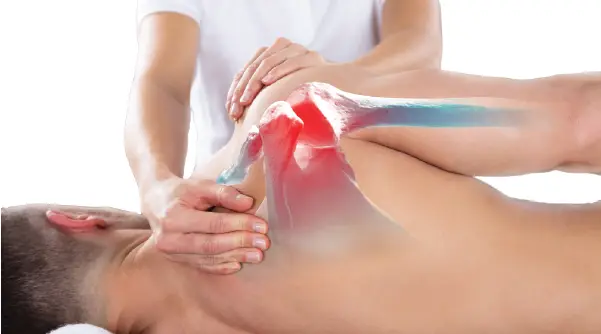
Frozen shoulder usually develops slowly. You may not notice it at first, but over time the symptoms become more obvious.
Common symptoms include:
You may find it difficult to do simple things like getting dressed, combing your hair, or reaching for something on a shelf. Even small movements can feel restricted.
In many cases, there is no single clear cause. But certain factors increase your risk. Frozen shoulder often happens when your shoulder is not used for a long time. This can happen after:
When you stop moving your shoulder, the capsule tightens. Over time, it becomes stiff and inflamed.
Some medical conditions also increase your risk, such as:
If you have any of these conditions, you may be more likely to develop frozen shoulder.
Frozen shoulder develops in three stages. Each stage has its own symptoms and duration.
This is the early stage. Your shoulder starts to hurt, and the pain gradually increases.
This stage can last from a few weeks to several months.
In this stage, the pain may reduce slightly, but the stiffness becomes more noticeable.
Even though the pain is less intense, your shoulder feels “frozen” in place.
This is the recovery stage. Your shoulder slowly starts to improve.
This stage can take several months, but it is a sign that your shoulder is healing.
The main goal of treatment is to reduce pain and restore movement in your shoulder. Most people improve with non-surgical treatments.
Your doctor may recommend medicines to help reduce pain and inflammation. These may include:
These help you feel more comfortable so you can start moving your shoulder again.
Physiotherapy is one of the most important parts of frozen shoulder treatment.
A trained physiotherapist will guide you through exercises that:
Regular physiotherapy helps prevent your shoulder from becoming more stiff.
If you are looking for frozen shoulder physiotherapy in Jaipur, starting early can make a big difference in your recovery.
In some cases, your doctor may suggest steroid injections.
These injections:
This allows you to perform exercises more comfortably.
If your symptoms do not improve with basic treatment, advanced options may be considered:
These are usually recommended only in severe cases.
Exercises play a key role in your recovery. They help keep your shoulder flexible and prevent stiffness from getting worse. Some commonly recommended exercises include:
These exercises should be done slowly and regularly. Avoid forcing any movement that causes severe pain.
You should see a doctor if:
Early treatment can prevent the condition from becoming more severe.
If you are searching for a frozen shoulder doctor in Jaipur or a frozen shoulder specialist near me, getting the right diagnosis is the first step toward recovery.
Frozen shoulder takes time to heal. It does not improve overnight.
In most cases:
With proper treatment, most people regain near-normal movement. The key is to stay consistent with your exercises and follow your doctor’s advice.
Choosing the right hospital is important for effective treatment. At CK Birla Hospitals, you receive care that focuses on both pain relief and long-term recovery.
Here’s what makes it a trusted choice:
Whether you are looking for shoulder pain treatment in Jaipur or the best orthopaedic doctor for frozen shoulder in Jaipur, the right team can guide you through every stage of recovery.
The best treatment includes pain relief, physiotherapy, and regular shoulder exercises to reduce stiffness and improve movement.
Frozen shoulder usually takes about 1 to 3 years to fully heal, depending on the severity.
Yes, it can improve on its own over time, but treatment helps reduce pain and speeds up recovery.
Yes, people with diabetes are more likely to develop frozen shoulder, and it may take longer to recover.
An orthopedic doctor (bone and joint specialist) usually treats frozen shoulder, often with help from a physiotherapist.
© 2024 RBH Jaipur. All Rights Reserved.


