
Meniscus tear surgery is a medical procedure used to treat a torn meniscus in your knee. It is usually performed using small incisions and takes about an hour. Recovery can take a few weeks to several months, depending on the type of surgery. The aim is to reduce pain, improve movement, and help you return to your normal routine.
A meniscus tear is a common knee injury. The meniscus is a small piece of cartilage inside your knee that acts as a cushion between your thigh bone and shin bone. Each knee has two menisci, which help absorb shock and keep your joint stable.
A tear can happen suddenly during sports or physical activity. It can also develop over time due to wear and tear, especially as you age. When the meniscus is damaged, your knee may not move properly. This can make everyday activities like walking, bending, or climbing stairs uncomfortable.
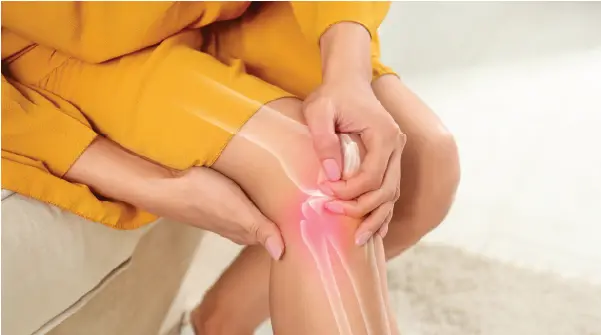
The symptoms of a meniscus tear can vary depending on the severity of the injury.
Some people are still able to walk after the injury, but pain and swelling often increase over the next few days.
In many cases, athletes experience acute tears, while older adults may develop degenerative tears over time.
Not all meniscus tears require surgery. Many people recover with rest, physiotherapy, and medication. This is often referred to as non-surgical treatment. However, surgery may be recommended if:
A doctor will assess your symptoms, examine your knee, and may recommend imaging scans before deciding on the best treatment.
Meniscus repair focuses on preserving the natural cartilage by stitching the torn edges back together so they can heal over time. Doctors usually recommend this when the tear is located in the outer part of the meniscus, where there is a good blood supply (often called the “red zone”), as healing is more likely in this area.
This procedure is typically performed using arthroscopy (keyhole surgery), where small instruments and a camera are inserted through tiny incisions. The surgeon carefully aligns the torn pieces and secures them using special sutures or anchors.
What makes it important:
Preserving the meniscus helps maintain knee stability, shock absorption, and long-term joint health, reducing the risk of arthritis later in life.
Recovery:
Recovery takes longer compared to other procedures because the tissue needs time to heal. Patients may need to:
Full recovery can take 3 to 6 months, depending on healing.
Partial meniscectomy involves removing only the damaged portion of the meniscus while preserving as much healthy cartilage as possible. It is the most commonly performed meniscus surgery.
This procedure is recommended when the tear is in an area with poor blood supply (white zone) or when the tissue is too damaged to be repaired. Instead of stitching, the surgeon trims the torn edges to create a smooth, stable surface. Like meniscus repair, it is usually done using arthroscopy, making it minimally invasive.
What makes it useful:
It provides quick relief from pain and mechanical symptoms like locking or catching of the knee.
Recovery:
Recovery is faster because there is no healing of stitched tissue required. Most patients:
However, removing part of the meniscus may slightly reduce cushioning in the knee over time.
Total meniscectomy involves removing the entire meniscus. This procedure is now rarely performed and is only considered when the meniscus is severely damaged and cannot be repaired or partially preserved.
While it may relieve symptoms in the short term, the meniscus plays a crucial role in absorbing shock and protecting the knee joint. Removing it completely can increase stress on the bones.
What to consider:
Without the meniscus, the knee may become more prone to wear and tear, increasing the risk of early osteoarthritis.
Recovery:
Initial recovery is relatively quick, similar to partial meniscectomy. However, long-term care becomes important, including:
Arthroscopic surgery is the most common approach for meniscus tear surgery.
Here’s what usually happens:
The procedure usually takes about an hour, and most patients can go home the same day. Because the cuts are small, there is less pain and faster healing compared to traditional surgery.
Recovery after meniscus tear surgery depends on the type of procedure you have.
Your doctor may recommend:
Choosing the right hospital is an important part of your treatment journey. At the CK Birla Hospitals, Jaipur, you can expect the following:
If you are looking for a trusted meniscus repair doctor in Jaipur, choosing the right hospital can make a significant difference in your recovery and long-term knee health.
Small or mild meniscus tears can heal on their own with rest, medication, and physiotherapy, but more severe tears may require surgery.
If left untreated, it can lead to ongoing pain, swelling, and knee instability and may worsen over time, affecting daily activities.
Meniscus tear surgery usually takes about 30 minutes to 1 hour, depending on the type of procedure.
Yes, physiotherapy is an important part of recovery, as it helps restore strength, movement, and stability in your knee.
Most people can start walking with support within a few days, but full weight-bearing depends on the type of surgery and your doctor’s advice.
© 2024 RBH Jaipur. All Rights Reserved.


