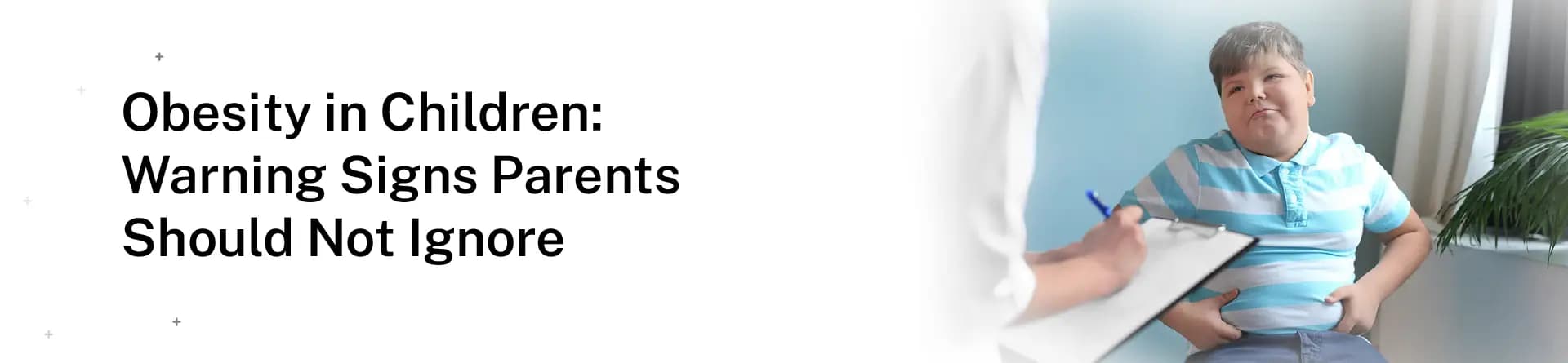
Childhood obesity is no longer just a "city problem." According to UNICEF 2025, a staggering 188 million children worldwide are struggling with weight, and the crisis is rapidly reaching even the heart of rural India.
Childhood obesity has become a major concern worldwide.
According to UNICEF (2025), about 1 in 10 children and teens, roughly 188 million kids, are now obese. This means millions of children are affected.
The main reasons are linked to daily habits like eating junk food, playing less outside, and spending too much time on screens. Childhood obesity is no longer just a city problem; it’s now seen in small towns and rural areas too.
When excess weight starts early in life and is ignored, it can lead to health problems such as diabetes, heart problems, and fatty liver disease at a young age. Obesity in children isn’t just about weight — it affects their health, mind, and future.
Childhood obesity is a condition where a child gains more weight than is healthy for their age and height. It is usually measured with BMI.
BMI stands for the Body Mass Index. It is a simple measure that compares a child’s weight with their height and age. For children aged 2 and older, obesity is usually diagnosed when their BMI is at or above the 95th percentile for their age and sex.
Kids can become overweight for a bunch of reasons, and often it’s a mix of several things:
Childhood obesity can affect both physical and emotional health. Possible health problems include:
Common mistakes include:
Over time, these patterns increase the risk of long-term health problems.
If you see that your child is putting on too much weight, consult with your doctor. However, there are various other factors that you need to notice, like:
Early medical support plays an important role in preventing childhood obesity and supporting healthy growth.
Childhood obesity is serious but can be manageable. With rates rising across India, parents play a key role in noticing early signs and encouraging healthier habits. Understanding the causes of childhood obesity and making small, steady changes can make a big difference.
The ideal weight varies with a child’s age, height, and sex. Doctors use BMI percentiles on growth charts to see if a child is within a healthy range.
Paediatricians usually check a child’s BMI and growth charts. Obesity is often diagnosed if the BMI is at or above the 95th percentile for their age and sex.
Yes! With healthy eating, regular physical activity, and lifestyle changes, many children can achieve a healthier weight without medication.
A diet rich in fruits, vegetables, whole grains, lean proteins, and limited sugary drinks and junk food works best. Portion control and regular meal times help too.
Children should get at least 60 minutes of active play or exercise every day, which can include walking, cycling, sports, or just running around outside.
Yes, excess weight can affect growth, puberty timing, and overall development, so maintaining a healthy weight is important for proper growth.
Similar Dietetics Blogs
Book Your Appointment TODAY
© 2024 RBH Jaipur. All Rights Reserved.


