Tetralogy of Fallot repair surgery is performed to correct four heart defects present at birth. These defects affect blood flow from the heart to the lungs and the rest of the body. Surgery helps improve blood flow and oxygen levels. The timing and type of surgery depend on the child's condition and the severity of the defects.
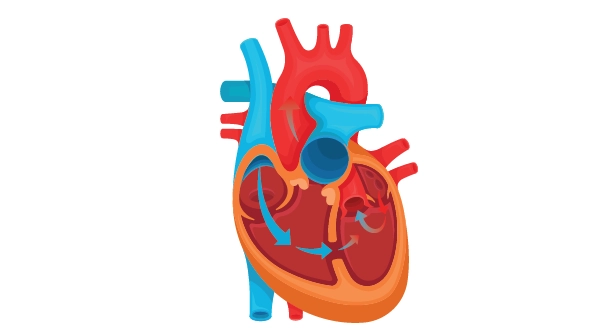
Tetralogy of Fallot (TOF) is a congenital heart condition that affects the normal flow of blood through the heart. It involves four defects:
Ventricular septal defect (VSD): A hole between the heart's lower chambers.
Pulmonary stenosis: Narrowing of the passage that carries blood from the heart to the lungs.
Overriding aorta: The aorta sits above the hole between the lower chambers and receives blood from both sides.
Right ventricular hypertrophy: Thickening of the muscle in the heart's lower right chamber.
These defects can reduce blood flow to the lungs, causing oxygen-poor blood to reach the body. Tetralogy of Fallot usually requires surgical treatment.
Symptoms vary depending on the severity of the heart defects. They may include:
Bluish or grey skin, lips or fingernails
Difficulty breathing or rapid breathing
Tiring during feeding
Poor weight gain
A heart murmur
Sudden episodes of worsening blue skin colour, known as Tet spells
The exact cause of tetralogy of Fallot is often unknown. The condition develops during pregnancy as the baby's heart forms. Genetic conditions, including Down syndrome and DiGeorge syndrome, may be associated with it.
Tetralogy of Fallot may be detected before birth or soon after delivery. Doctors assess the child's symptoms and heart function using tests such as:
Echocardiogram: Shows the heart's structure, the defects and blood flow.
Pulse oximetry: Measures the oxygen level in the blood.
Electrocardiogram (ECG): Records the heart's electrical activity.
Chest X-ray: Shows the size and shape of the heart and lungs.
Cardiac catheterisation: May be performed in selected cases to assess the heart and blood vessels before treatment.
These tests help determine the severity of the condition and guide treatment planning.
Surgery is the main treatment for tetralogy of Fallot. Complete repair is usually performed during infancy, although the timing depends on the child's oxygen levels, heart anatomy and overall health.
Some babies may need a temporary procedure to improve blood flow to the lungs before complete repair. Medicines may also be used in selected cases while the child awaits surgery.
Early treatment helps improve oxygen delivery and reduce the risk of complications associated with the condition.
Tetralogy of Fallot repair surgery usually involves open-heart surgery to correct the defects and improve blood flow to the lungs.
The procedure may include:
Closing the VSD: A patch is used to close the hole between the lower chambers.
Relieving pulmonary stenosis: The narrowed passage to the lungs is widened.
Repairing the pulmonary valve: The valve may be repaired or, in some cases, replaced.
Improving blood flow: Additional repair may be needed depending on the child's heart anatomy.
Some babies need a temporary procedure, such as a shunt, before complete repair. The surgical approach depends on the severity and type of defects.
After surgery, the child is monitored in the hospital for changes in heart function, oxygen levels and heart rhythm. The hospital stay depends on the child's recovery and any complications.
After discharge, parents receive guidance on medicines, wound care, feeding and follow-up appointments.
Regular cardiac check-ups are important even after successful repair. Some children may develop pulmonary valve leakage, narrowing of blood flow or heart rhythm problems as they grow. They may need additional procedures or surgery later in life.
At CK Birla Hospitals, Kolkata, we understand how concerning a heart condition like Tetralogy of Fallot can be for your child and your family. Our team works closely with you to understand your child's condition, explain the available treatment options and guide you through every step of care.
Comprehensive clinical assessment: We carefully evaluate your child's symptoms, diagnostic findings and overall health to understand the severity of the heart defects.
Individualised treatment planning: We help you understand the most suitable treatment approach based on your child's heart condition, age and medical needs.
Guidance for parents and families: We explain the surgical procedure, expected recovery and follow-up care, helping you make informed decisions about your child's treatment.
Continued cardiac care: We guide you through regular cardiac follow-ups and monitoring to support your child's heart health as they grow.
Complete repair is usually performed during infancy. The timing depends on the severity of the defects and the child's overall health.
Surgery can correct the heart defects, but it carries risks. The surgical team assesses the baby's condition and discusses the potential benefits and risks with the family.
Untreated tetralogy of Fallot can cause low oxygen levels, poor growth and sudden episodes of cyanosis. It can also lead to serious complications.
Many children do well after surgery and can take part in everyday activities. Regular cardiac follow-up remains important throughout life.
The length of stay depends on the child's condition, recovery and any complications. The treating team will advise when the child is ready to go home.
Some children may need another procedure or surgery as they grow. This may be necessary if the pulmonary valve becomes leaky or blood flow becomes restricted. Regular check-ups help identify these problems.
© 2024 BMB Kolkata. All Rights Reserved.


