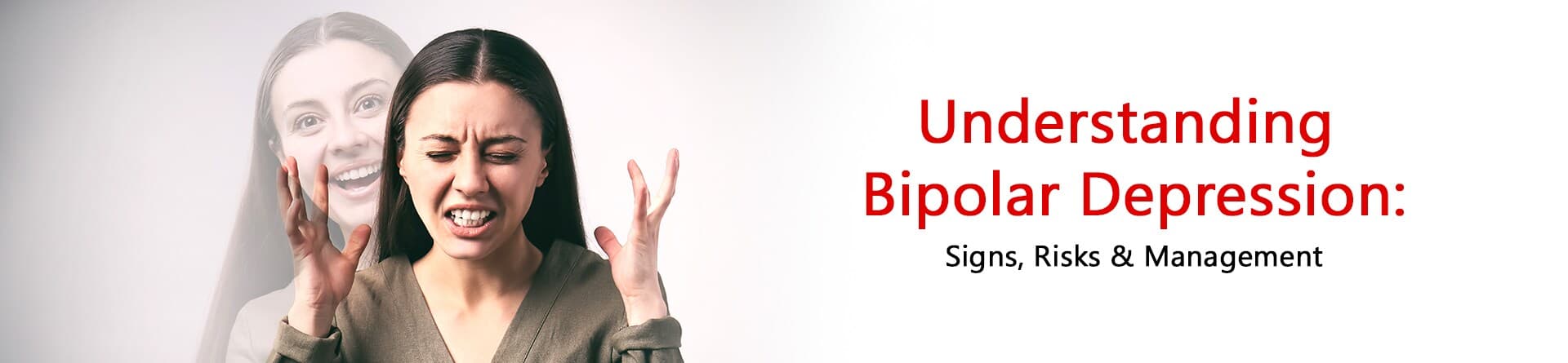
Bipolar depression causes extreme mood swings that affect daily life, work, and relationships. With early diagnosis, proper treatment, and support, it can be effectively managed for a balanced and healthy life.
About 1 in 150 people suffers from bipolar disorder, and around 70% of them don’t get proper treatment, according to articles published in The Economic Times.
Bipolar disorder is a mental health condition that causes extreme mood changes. A person may feel very happy and full of energy at one time and very sad or low at another. These mood swings can affect daily life, work, and relationships.
With the right treatment and support, people with bipolar disorder can live a healthy and balanced life. But first, let’s understand what bipolar depression is.
So, what exactly is bipolar depression?
Bipolar depression, also known as bipolar affective disorder, is more than just mood changes. People with this condition experience strong ups and downs in their mood, energy, and activity.
Bipolar depression is divided into two phases: Low Phases and High Phases.
These changes not only impact their mental health but also affect their professional and personal life, physical health, and overall well-being
Recognising the symptoms at an early stage can help you get proper treatment. Its most common symptoms are
Bipolar depression can happen to anyone, but some people are more likely to get it.
Knowing these risk factors helps you and your family get help early.
Bipolar depression can touch almost every part of your life.
Getting the right help can make daily life more stable and peaceful.
Bipolar depression is treatable. Most people get better with a mix of medicines, therapy, and support.
Doctors may prescribe:
Always take medicines exactly as your doctor says. Stopping or changing them without advice can make symptoms worse.
Therapy helps you manage emotions and handle stress better.
Only a psychiatrist can confirm bipolar depression. The doctor will ask about your symptoms, medical history, and daily life. Early diagnosis helps start the right treatment quickly.
Along with treatment, good habits can make a big difference.
Small daily steps help you stay stable and feel more in control.
Bipolar depression can be tough, but it can be managed.
Understanding the signs, getting early medical help, and following a healthy routine make a big difference.
In India, awareness about mental health is slowly growing, but some people still feel shy to talk about it. Remember — getting help is a sign of strength, not weakness. With the right care and support, you can live a happy and balanced life.
If you often feel very low, lose interest in daily life, and have sudden mood changes from sadness to high energy, you may have bipolar depression. Only a doctor can confirm it.
Stress, lack of sleep, major life changes, or stopping medication suddenly can trigger episodes.
Mild cases may improve with therapy, good sleep, exercise, and support, but most people need medical treatment for long-term stability.
Regular exercise, balanced meals, meditation, and a fixed routine can help, but they should be used along with medical care, not as a replacement.
A depressive episode can last from a few weeks to several months, depending on treatment and individual response.
Yes, mood stabilisers help control extreme highs and lows and are often used for long-term treatment.
Yes, bipolar disorder can appear in teenagers and even children, though it is often harder to identify at a young age.
Written and Verified by:
-Dr.-Savyasachi-Mitra-(-Psychitry-).webp&w=256&q=75)
Dr. Sabyasachi Mitra is a Consultant Psychiatry Dept. at CMRI, Kolkata with over 20 years of experience. He specializes in clinical psychiatry, mental health advisory roles, and is a Fellow of the Royal College of Psychiatrists.
© 2024 CMRI Kolkata. All Rights Reserved.


.jpg&w=750&q=75)


