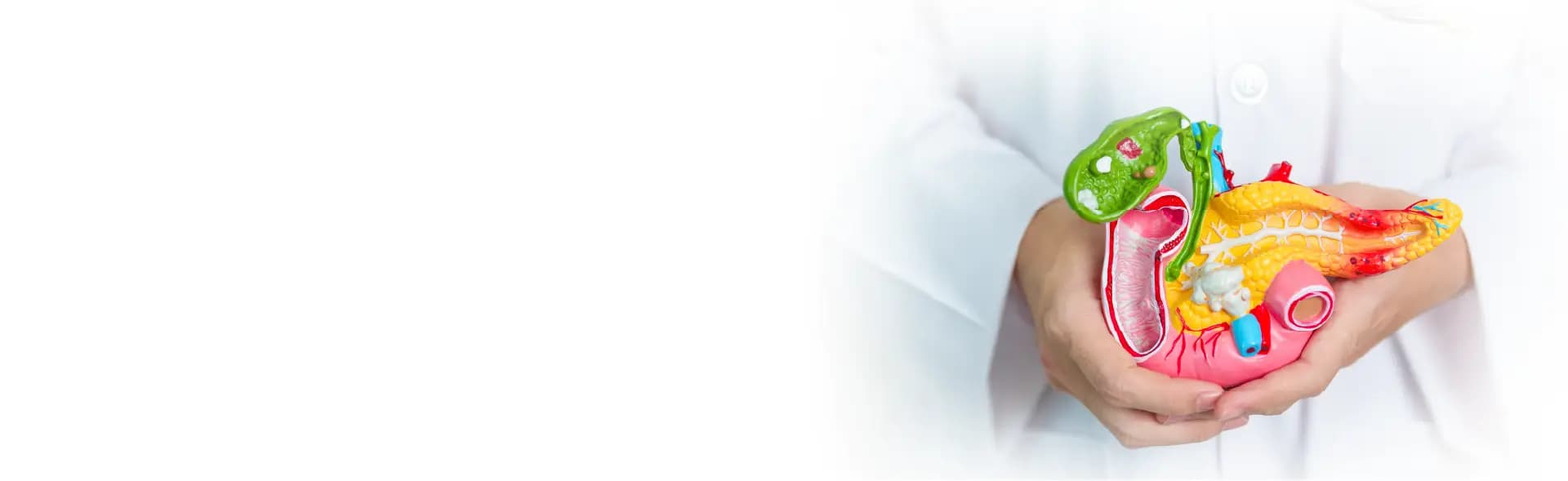
Cholecystectomy is a surgery to remove the gallbladder. The gallbladder is a small organ under your liver that stores bile, a fluid that helps digest fats.
Sometimes, the gallbladder develops stones, infections, or other problems that can cause pain and serious complications. In such cases, cholecystectomy is recommended. At CK Birla Hospitals, Jaipur, we perform gallbladder removal with advanced techniques and expert care to ensure safe surgery and smooth recovery.
Cholecystectomy is an operation that removes your gallbladder. Removing the gallbladder does not stop digestion. The liver still produces bile, which flows directly into your small intestine.
Doctors usually recommend cholecystectomy when the gallbladder causes persistent pain, infection, or other health problems. Common situations include:
Removing the gallbladder at the right time prevents complications such as severe infection or jaundice.

Cholecystectomy treats a variety of gallbladder-related conditions. These include:
Early treatment with cholecystectomy can relieve symptoms and prevent serious health issues.
There are different types of cholecystectomy available, such as
This is the most common type, where small cuts are made in the abdomen. A camera and surgical tools are inserted to remove the gallbladder.
Benefits:
In this method, a larger incision is made in the abdomen to remove the gallbladder. This may be needed if the gallbladder is severely inflamed, infected, or scarred.
Robotic cholecystectomy uses robotic instruments and a camera for highly precise surgery. The surgeon controls the robot to remove the gallbladder safely.
Benefits:
Your surgeon will recommend the best cholecystectomy procedure based on your health and condition.
The cholecystectomy surgical procedure is done under general anaesthesia. You are asleep and pain-free during the operation.
The cholecystectomy procedure steps are simple and precise:
A cholecystectomy usually takes 1–2 hours, depending on the complexity of the procedure.
After surgery, you are monitored in the recovery room. Pain is managed with medicines. Most patients can start drinking fluids the same day. Gradually, you can begin soft foods and return to a normal diet.
Hospital stay is usually 1–2 days for laparoscopic or robotic surgery. Open surgery may require 3–5 days.
You can live normally without a gallbladder. Some patients may need to avoid very fatty or oily foods initially. Eating small, frequent meals helps your digestive system adjust.
Cholecystectomy is very safe. Rare complications may include:
With timely care, most patients recover without any lasting problems.
You can eat, digest food, and live a normal life without a gallbladder. Your liver continues to produce bile, which flows directly into your small intestine. Most people return to work, exercise, and daily life quickly.
Using advanced robotic technology in our general surgery procedures has enabled our surgeons to achieve greater precision and improved patient care. We have successfully treated more than 50 surgical conditions, including hernias, gallbladder disorders, appendicitis, early-stage cancers, thyroid disorders, haemorrhoids, gastrointestinal blockages, and abdominal trauma.
Tiny incisions make surgery safer and easier for patients. Robotic technology ensures minimal blood loss and minimal pain, while recovery is faster, smoother, and more comfortable. Our team prides itself on delivering advanced, reliable, and patient-centred care every day.
The CK Birla Hospitals, Jaipur, offers expert care for cholecystectomy surgery.
We ensure every patient feels safe, informed, and cared for at every step — from consultation to full recovery.
Cholecystectomy is a common and safe surgery, considered minor to moderate, especially when done laparoscopically.
Most cholecystectomy surgeries take 1–2 hours, depending on the complexity and type of procedure.
No, gallstones cannot form in the gallbladder once it is removed, but stones can rarely form in the bile ducts.
Yes, most people live a normal, healthy life without a gallbladder. The liver continues to produce bile for digestion.
Initially, avoid very fatty, fried, or oily foods. Gradually, most people can eat a normal, balanced diet.
Light activities can usually resume in a few days, and most patients return to normal routines within 2–3 weeks.
© 2024 RBH Jaipur. All Rights Reserved.


