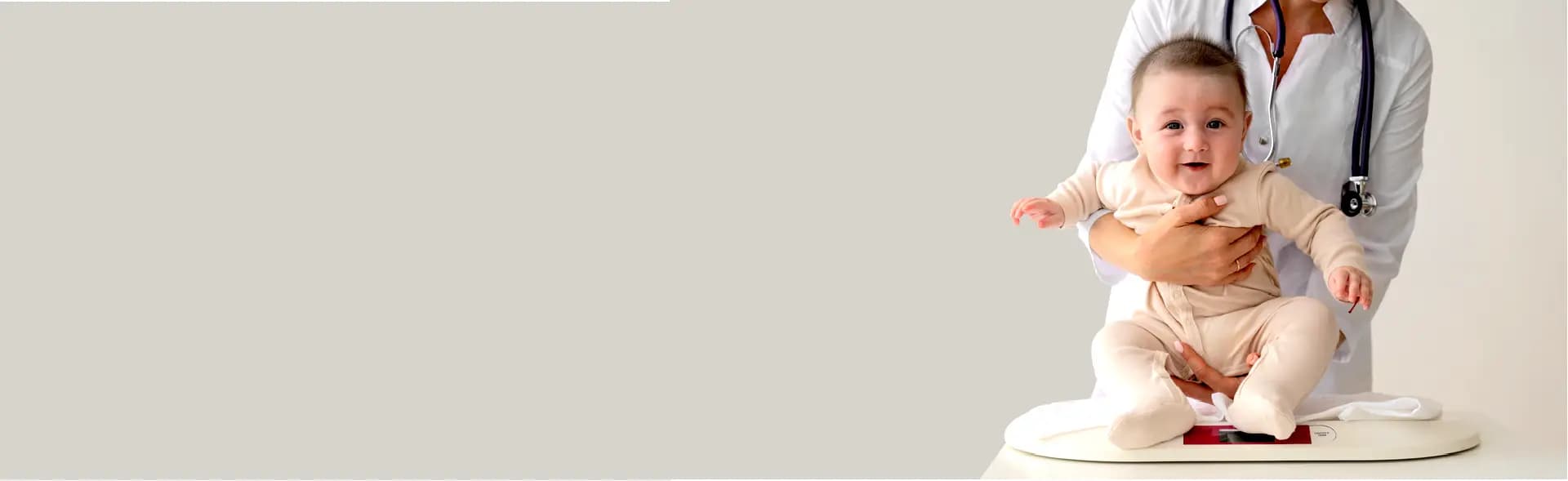
Jaundice is a common condition in newborns in which the skin and eyes appear yellow. It occurs when bilirubin-a natural yellow pigment-builds up in a baby’s bloodstream because the liver is not yet fully mature enough to process it efficiently. Most newborns develop some degree of jaundice, and it usually resolves on its own. However, some babies may require treatment, such as phototherapy, to safely reduce bilirubin levels.
Neonatal jaundice is a condition in which a newborn’s skin takes on a yellowish tint. It develops when bilirubin, produced during the normal breakdown of red blood cells, accumulates in the baby’s blood. The medical term for this condition is hyperbilirubinemia.
During pregnancy, the mother’s liver helps remove bilirubin from the baby’s body. After birth, the baby’s liver must take over this function. If the liver is still immature, it may not process bilirubin effectively, allowing levels to rise and causing the skin to appear yellow.
Jaundice is very common in infants and is typically mild, resolving on its own within a few weeks. However, it is important for a healthcare professional to monitor the condition, as severe untreated jaundice can lead to serious complications, including kernicterus, a type of brain damage.

Neonatal jaundice can occur for several reasons, including:
Identifying the cause helps doctors choose the most appropriate treatment.
Parents often notice jaundice when a baby’s skin or the whites of the eyes appear yellow. Symptoms may vary based on bilirubin levels and disease severity.
Common signs include:
Doctors use a neonatal jaundice chart to assess severity based on the baby’s age in hours and bilirubin levels. Regular monitoring helps ensure timely treatment and prevents complications.
Diagnosis involves a careful physical examination and simple, painless tests.
Physical Examination: The doctor checks the baby’s skin, eyes, and activity levels for signs of jaundice.
Bilirubin Testing:
Additional Tests (if required)
These tests help determine the cause and guide appropriate treatment.
Treatment depends on bilirubin levels, the baby’s age, and overall health.
With prompt treatment, most babies recover completely within a few days.
Contact a healthcare provider urgently if you notice:
These signs may indicate dangerously high bilirubin levels or complications such as kernicterus, which require immediate medical care.
While not all cases can be prevented, early care can reduce severity:
Home care supports recovery, but medical evaluation is essential if symptoms worsen.
CK Birla Hospitals, Jaipur, is a trusted centre for newborn care, offering safe and effective management of neonatal jaundice.
Yes, it affects most newborns in the first few days of life.
Breastfeeding and breast milk jaundice can occur but are usually harmless and temporary.
Most cases resolve within 1–2 weeks, though it may last longer in premature babies.
Yes, phototherapy is a safe and widely used treatment.
Severe untreated jaundice can lead to kernicterus, which may cause permanent brain damage.
Yes, because their livers process bilirubin less efficiently.
Mild sunlight exposure may help slightly but should never replace medical treatment when indicated.
© 2024 RBH Jaipur. All Rights Reserved.


